
Moving to Kentucky for a Hobby Farm: Chickens, Goats, Gardens, and 22 Acres Coming Soon in Mercer County
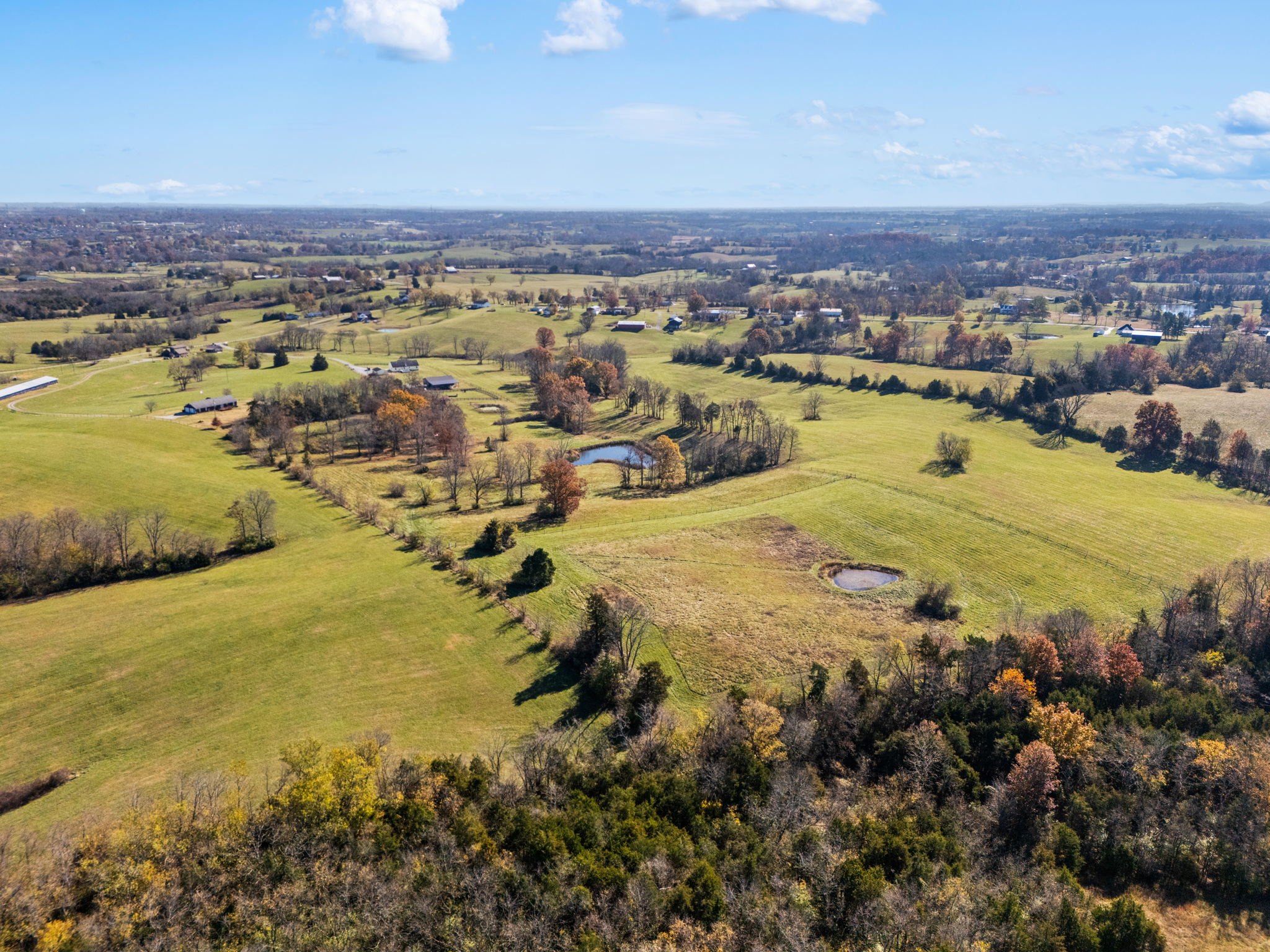
If your backyard is a quarter acre and your HOA has opinions about a chicken coop, Central Kentucky may surprise you. Out here, a few acres can hold a flock of laying hens, a pair of goats, a vegetable garden, and still leave room for a pond.
I'm Mimi Iverson, a real estate agent with Welcome to Kentucky Homes. In 2017 I loaded up and drove from Washington state to Kentucky with no job lined up and no one here who knew my name. Today I help families from California, Washington, Oregon, and New York find land in the counties around Danville and Harrodsburg.
This guide covers what buyers ask me most: chickens, goats and pigs, water, gardens, and where to look. At the end, I'll tell you about 22 acres in Mercer County that I'm bringing to market soon.
Can You Have Chickens in Kentucky?
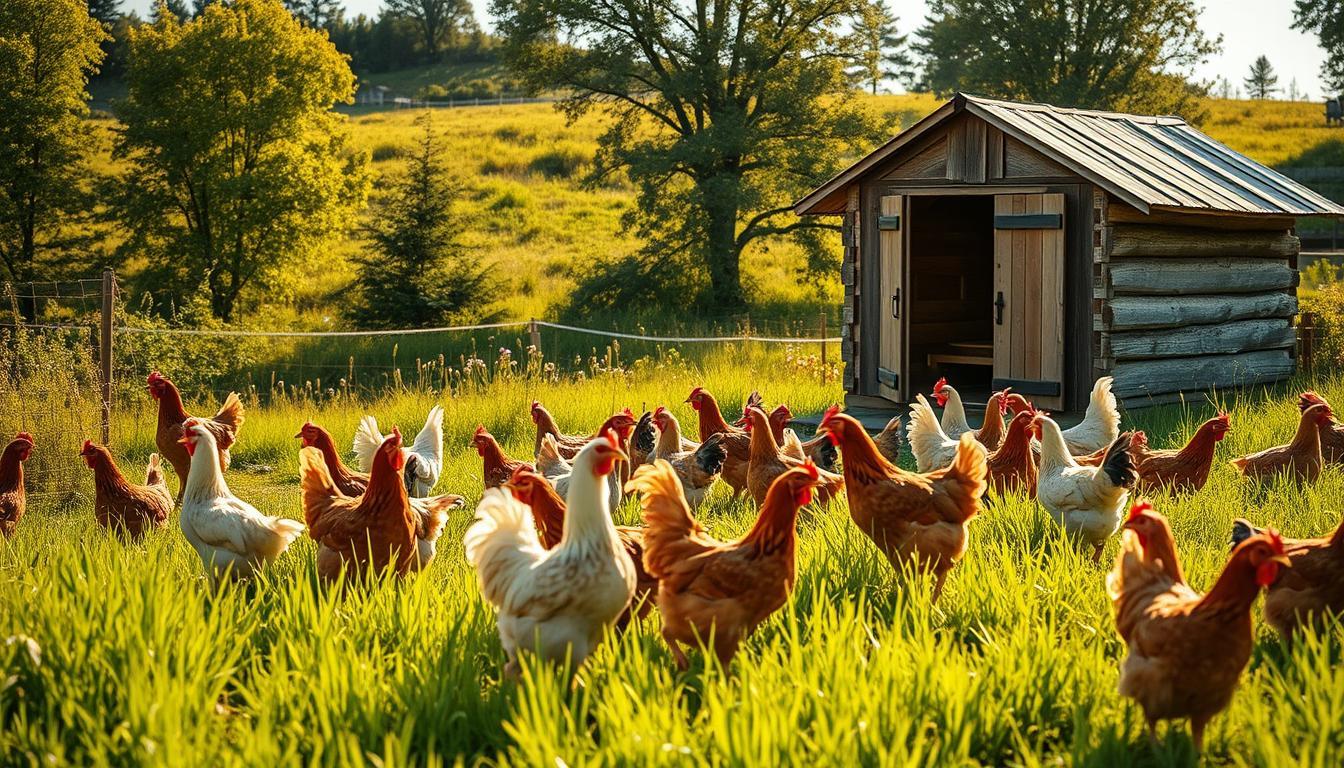
Yes, on most rural Kentucky land. Kentucky law treats a tract of at least five contiguous acres used for livestock, poultry, or crops as agricultural use, and that land is exempt from most local zoning rules. Deed restrictions and HOA covenants can still limit animals, so I check both before you write an offer.
Once you know you can keep a flock, plan for these four things:
- A secure coop and run. Raccoons, foxes, and hawks all hunt chickens here. Hardware cloth beats chicken wire.
- Space to roam. Even six hens need a safe outdoor area during the day.
- Daily chores. Fresh water, feed, clean bedding, and egg collection, every day, including in January.
- Smaller lots. Under five acres, county zoning applies. Some counties allow hens on smaller tracts and some don't, so ask before you fall for a property.
Raising Goats and Pigs on a Kentucky Hobby Farm
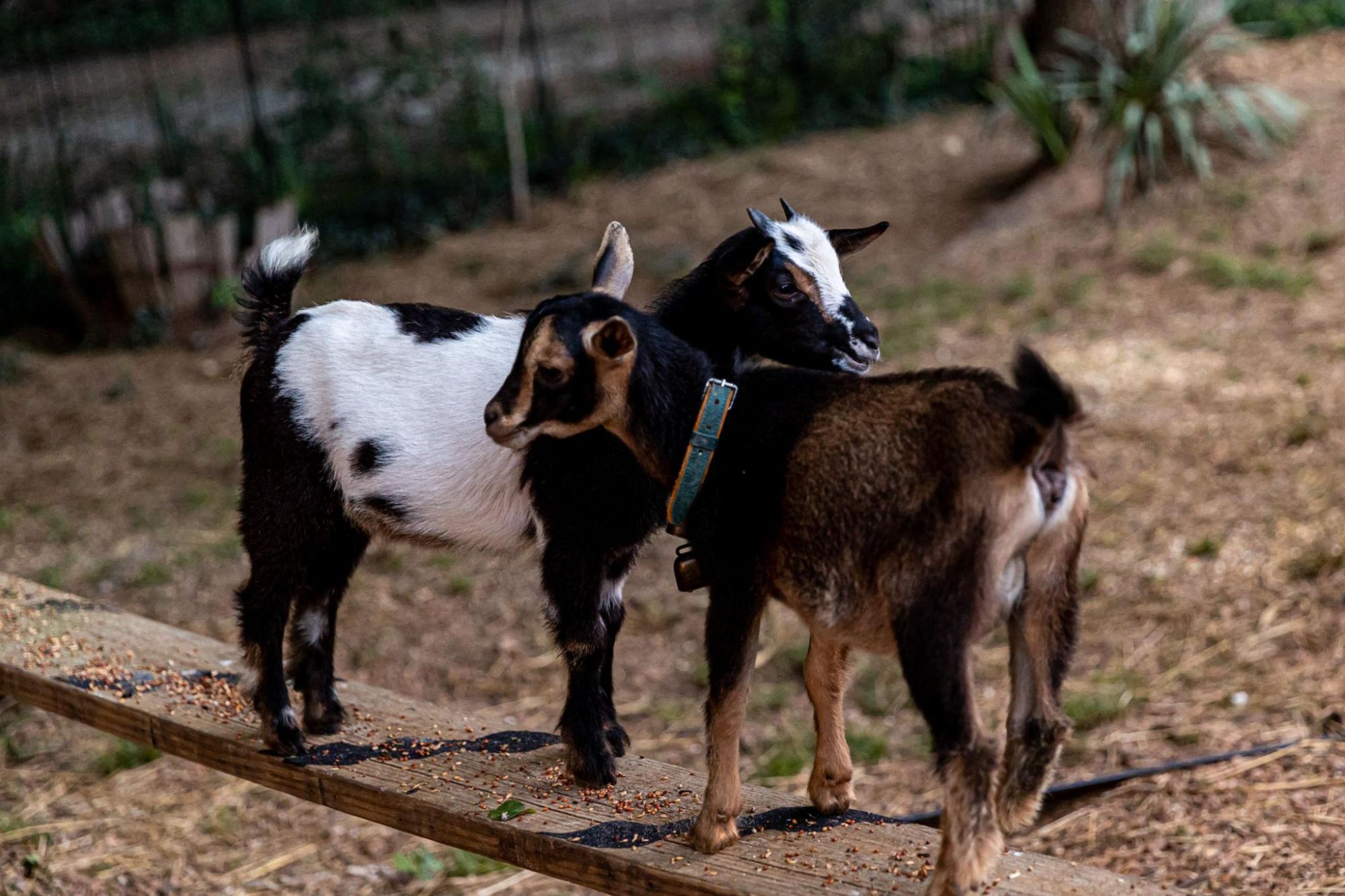
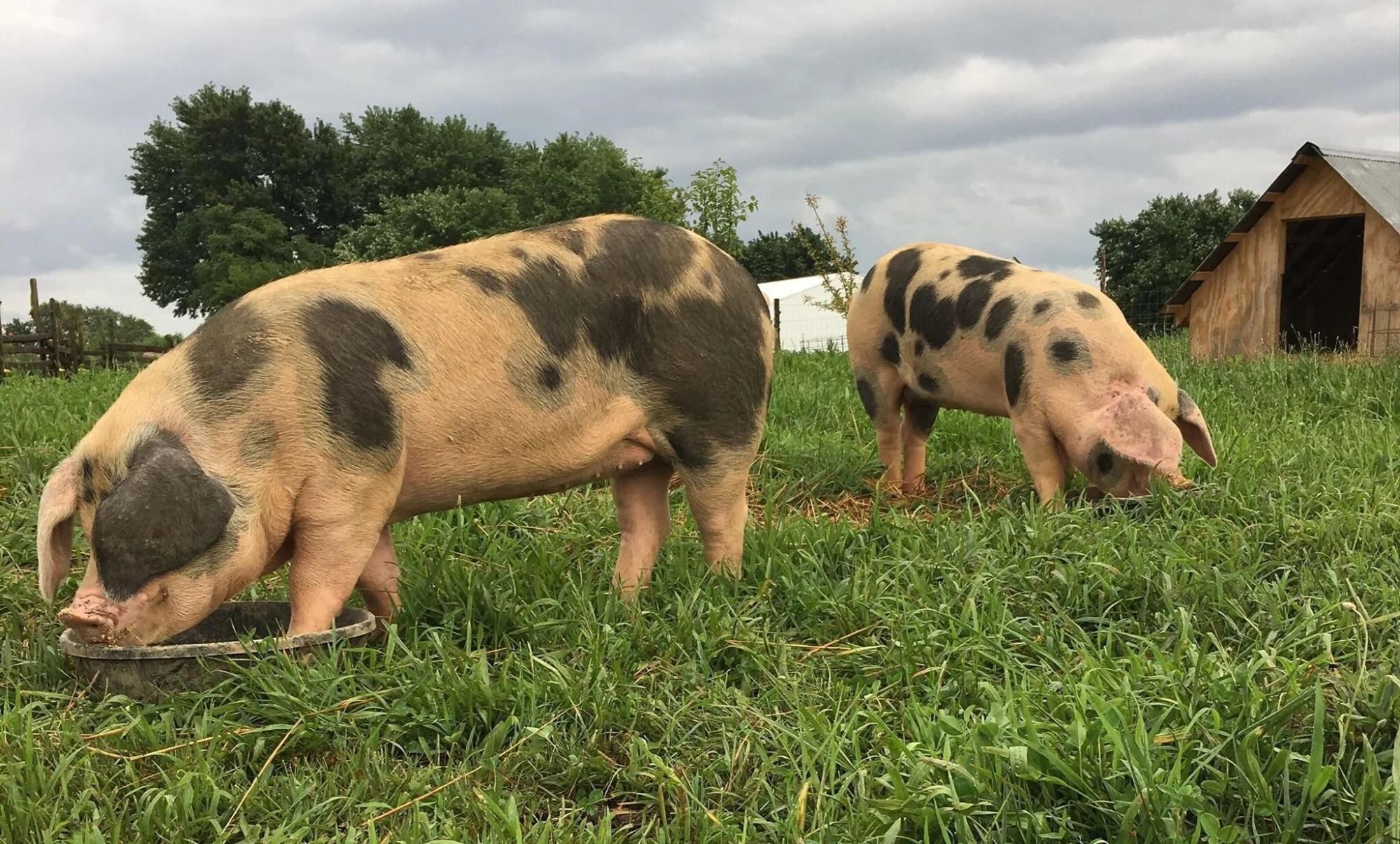
Goats and pigs both work on a small Kentucky farm, but fencing decides how much work they are. Goats are herd animals, so plan on at least two. They will test every gate and gap, which is why goat owners talk about fencing more than feed.
Pigs need shade, a mud wallow in summer, sturdy shelter, and a fence that holds up to rooting. Many families start with two feeder pigs in spring and finish in fall.
This is where existing fencing earns its keep. Fencing pasture across several acres is one of the biggest costs of setting up a hobby farm. A property that is already fenced and cross-fenced lets you rotate pastures and keep goats apart from everything else from the first week. Have the fence checked for the animals you plan to keep, since cattle fence won't stop a goat.
Where Does the Water Come From on Rural Kentucky Land?
Most rural Central Kentucky homes are on municipal water, not wells. Our limestone is great for bourbon and hard on wells, so they are less common here than in the West. Very rural properties sometimes use a cistern instead.
Buyers coming from Washington or Oregon often assume a well and are surprised. Before a showing, I confirm the water source so you know what you're looking at.
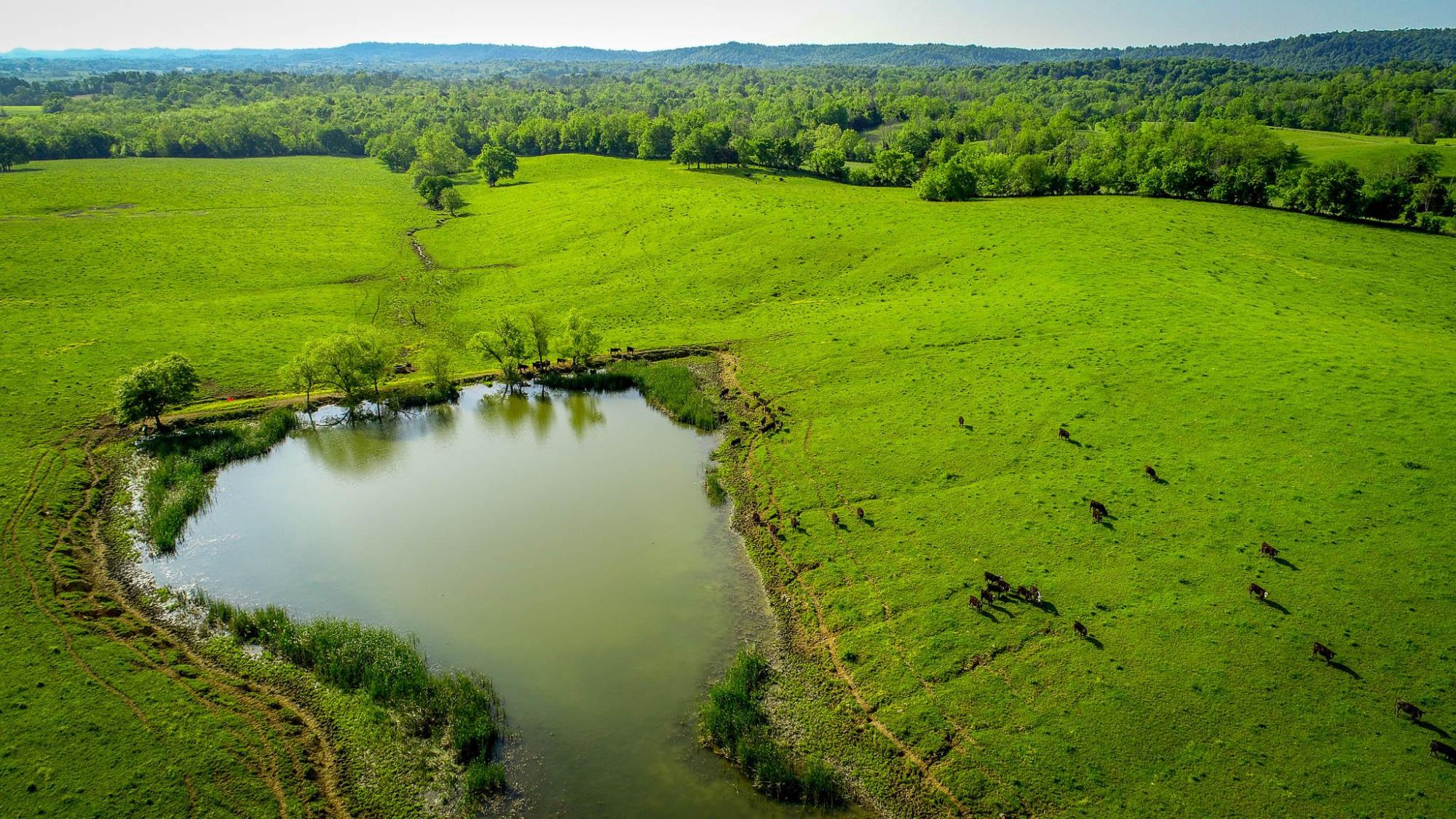
For animals, ponds matter too. A good pond can water livestock in a pasture far from the house, so ask whether a pond holds water through August.
What Can You Grow in a Central Kentucky Garden?
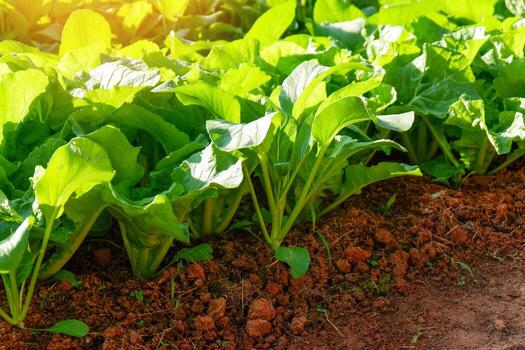
Central Kentucky's four seasons support two plantings a year. Spring and fall suit lettuce, kale, radishes, and peas. Summer brings tomatoes, peppers, cucumbers, green beans, squash, sweet corn, and pumpkins.
The tradeoffs are real: hot, humid summers, fast weeds, and rain that comes in bursts. When I walk a property with a garden in mind, I look for a sunny, fairly level spot with a spigot or hydrant close by. Hauling water 200 feet in July gets old fast.
Where to Look for a Hobby Farm in Central Kentucky
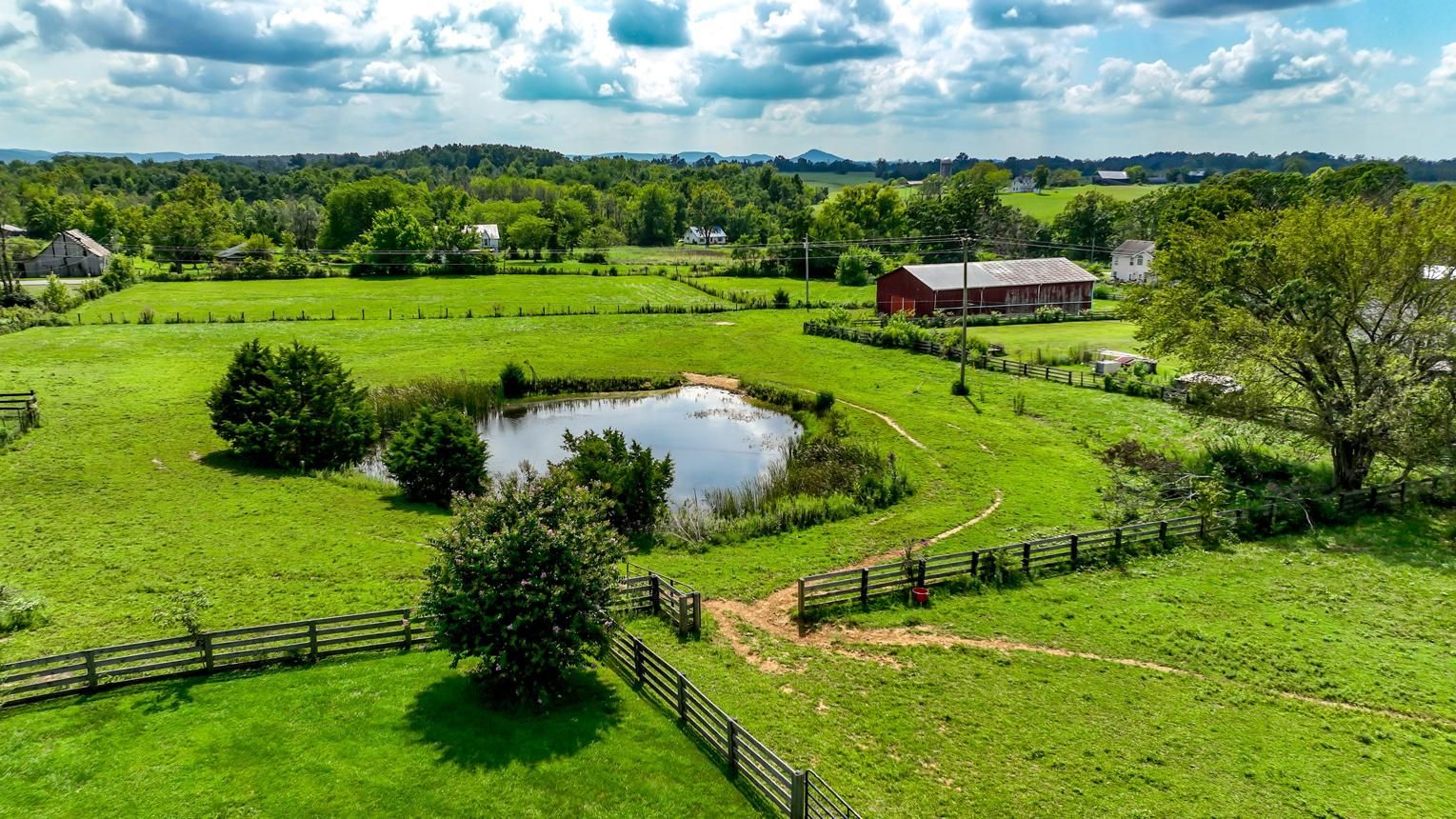
The counties south and west of Lexington offer rolling pasture, older farmhouses, and acreage at prices that surprise buyers from the coasts. These are the seven I know best:
- Mercer County (Harrodsburg): Kentucky's oldest town, Shaker Village of Pleasant Hill, and open farmland about 40 to 45 minutes from Lexington.
- Boyle County (Danville): A walkable downtown, Centre College, and farms within a short drive of town.
- Garrard County (Lancaster): Quiet back roads, with Herrington Lake on its western edge.
- Lincoln County (Stanford): Larger tracts and a slower pace.
- Casey County (Liberty): Deep country, an Amish community, and the Casey County Apple Festival each fall.
- Washington County (Springfield): Bourbon Trail country and Lincoln Homestead State Park.
- Marion County (Lebanon): Rolling hills and distilleries, with Maker's Mark just down the road in Loretto.
For most families, the right county comes down to three questions. How far will you drive for groceries and a hospital? Do you want open pasture or woods? Does a pond matter to you? Blue Grass Airport in Lexington is about 35 to 40 minutes from Harrodsburg and 45 to 50 minutes from Danville.
Buying Kentucky Land From Out of State
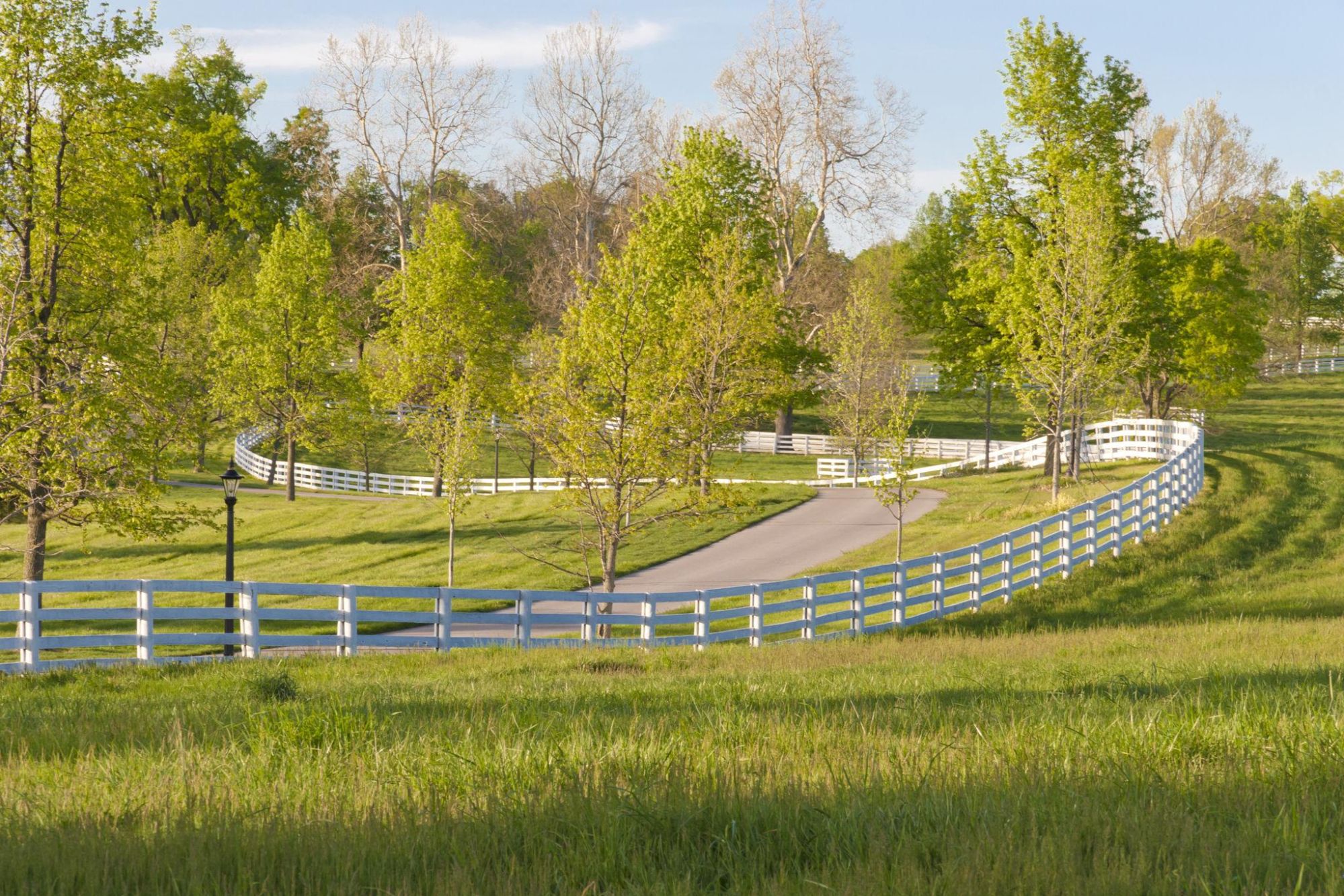
Most of my buyers are a state away, sometimes several. That's why I built the Relocation Roadmap. Before you board a plane, I walk the property myself: where the afternoon light falls, how much road noise reaches the porch, and whether the land slopes wrong for the garden you're picturing.
Before any showing, I send you the topography map, the plat map, and the seller's disclosure. You'll see where the pastures, ponds, and property lines sit before you ever step on the land.
Coming Soon: 22 Acres in Mercer County
Swappable block. Replace with a link to the live listing once it's on the market.

I'm bringing a property to market near Harrodsburg soon:
- 22 acres
- 2 ponds
- Fenced and cross-fenced pasture
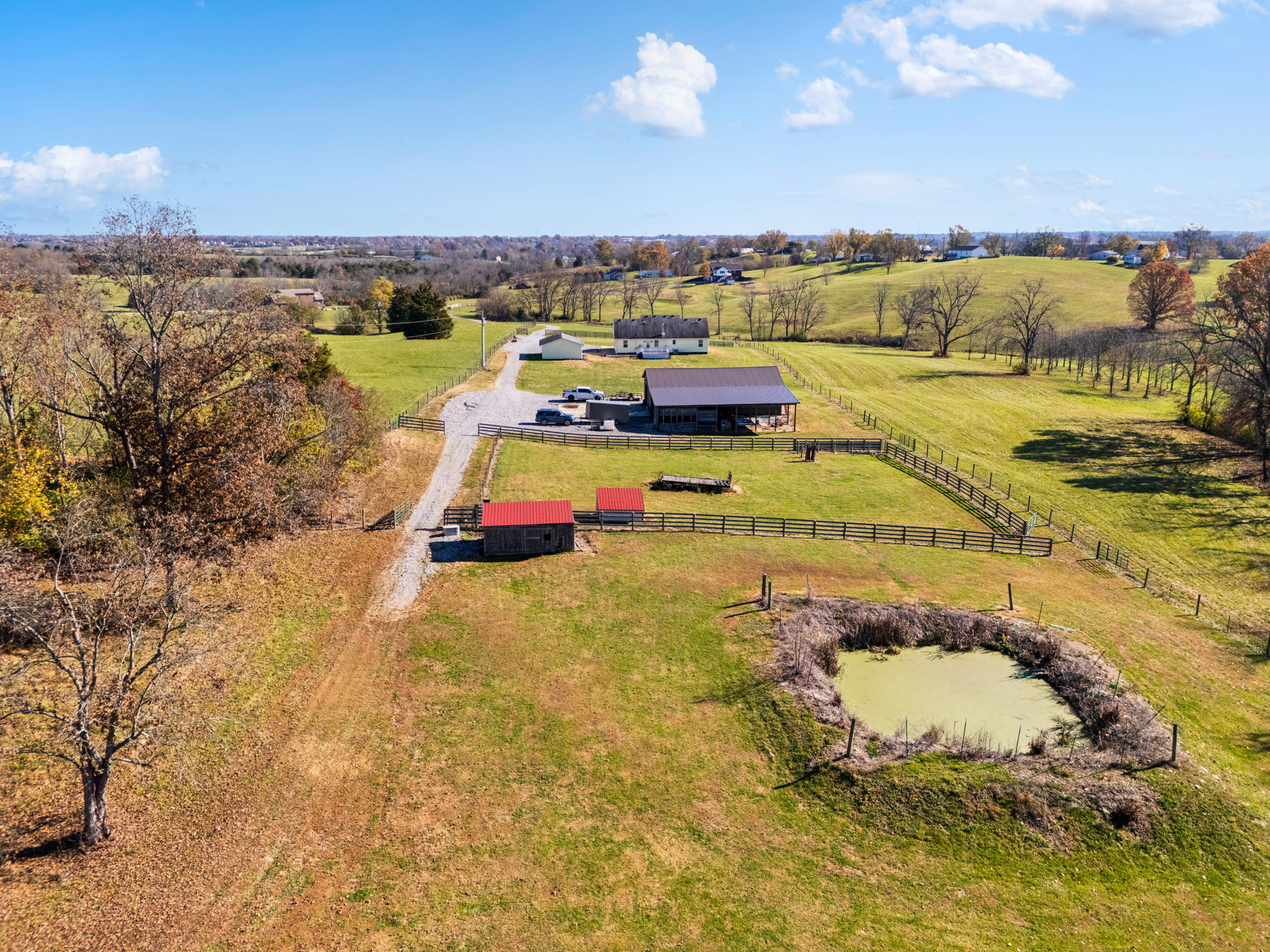
The fencing and cross-fencing are already in place, which can help separate grazing areas from day one. Fence condition, permitted uses, and pond details should be verified for your plans.
Want to hear about it before it hits the market? Call or text me at 859-310-2814 and ask about the 22 acres in Mercer County.
Frequently Asked Questions
Add FAQ schema markup to this section in Lofty.
Can I raise chickens, goats, and pigs on Kentucky land? On tracts of five or more contiguous acres used for agriculture, usually yes, because Kentucky exempts agricultural land from most local zoning. Deed restrictions and HOA covenants still apply, and smaller lots follow county zoning.
How much land do I need for a small hobby farm in Kentucky? Five acres is a practical starting point, since that's where Kentucky's agricultural use definition begins. Many of my out-of-state buyers want 20 to 50 acres for separate pastures, ponds, and privacy.
Do rural Kentucky homes have wells? Usually not. Most rural homes in Central Kentucky are on municipal water because the limestone makes wells difficult. Very rural properties may use a cistern.
Why does existing fencing matter? Fencing pasture is one of the largest setup costs on a hobby farm. Fenced and cross-fenced land lets you rotate grazing and separate animals right away, as long as the fence suits the animals you plan to keep.
Where can I find a hobby farm near Lexington, Kentucky?
Mercer, Boyle, Garrard, Lincoln, Washington, Marion, and Casey counties offer rural acreage within reach of Lexington. Drive times range from approximately 35 to 45 minutes in Mercer County to 75 to 90 minutes in Casey County, depending on the property's location and traffic.
Ready to Trade the Subdivision for Pasture?
Maybe it's six hens and a raised-bed garden. Maybe it's two goats, a pond, and a fence line your kids can walk with you after dinner. If you're weighing a move to Central Kentucky, let's start with a 20-minute call about where your family is now and what kind of land fits.
Call or text me at 859-310-2814 and ask about the Relocation Roadmap or the 22 acres coming soon in Mercer County.
Mimi Iverson Welcome to Kentucky Homes | Real Broker 859-310-2814 | Mimi@WelcometoKentucky.com WelcomeToKentucky.com | @mimiiversonrealtor
About the author: Mimi Iverson is a licensed Kentucky real estate agent with Welcome to Kentucky Homes, affiliated with Real Broker. She moved from Washington state to Kentucky in 2017 and helps buyers relocating from high cost of living states find rural acreage and hobby farms in Central Kentucky.
Categories
Recent Posts